Key Takeaways
Medellín rewards a slower, more curious approach than a packed list of attractions.
- Base yourself in a neighbourhood that suits your pace.
- Use art, food, green spaces, and public transport to understand the city.
- Leave time for Antioquia beyond Medellín, especially Guatapé and Santa Fe de Antioquia.
- Choose local experiences that involve participation rather than passive sightseeing.
- Keep plans flexible, travel thoughtfully, and respect the people who live here.
Where should you start in Medellín?
The best things to do in Medellín depend on where you stay and how you like to travel. Start with one neighbourhood, then let the city’s Metro, cable cars, parks, and food spots widen your map naturally. Medellín is easier to enjoy when you leave room for ordinary moments between the headline attractions.
Which neighbourhood should you stay in?
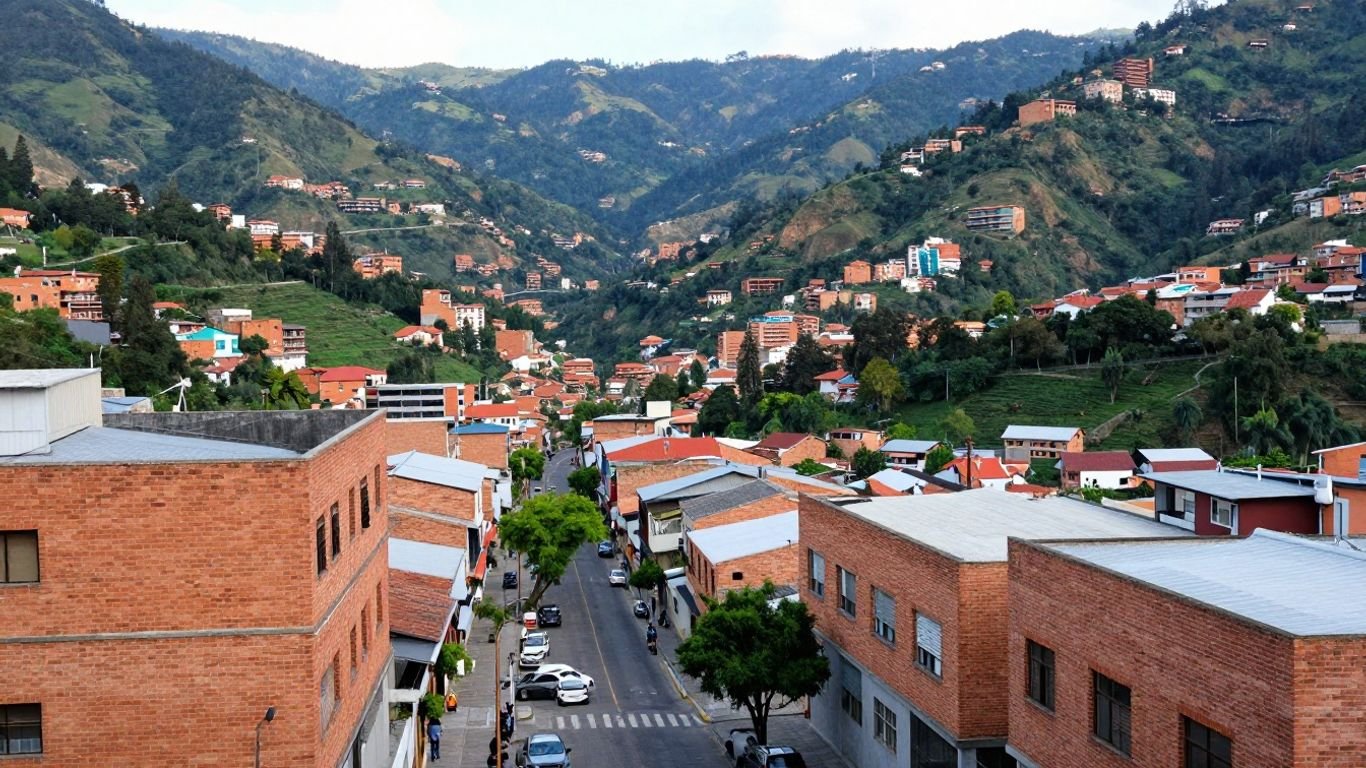
El Poblado suits travellers who want a concentrated mix of restaurants, cafés, bars, and hotels, while Laureles feels flatter, more residential, and convenient for walking. Envigado brings a local rhythm with traditional restaurants and plazas, and the city centre offers museums, public art, markets, and a busier street scene. Your base shapes the trip more than any single attraction does.
For a culture-and-food itinerary, Laureles works particularly well because you can combine an unhurried neighbourhood walk with an afternoon activity. The Colombian Cacao Experience is based at Cra. 80B #35A-28, Laureles, Medellin, Antioquia, Colombia, with daily experiences guided in English and Spanish.
How do you pick activities that suit your travel style?
If you prefer art and architecture, spend time downtown and in independent cultural spaces rather than rushing between viewpoints. Food-focused travellers can build days around bakeries, markets, cafés, and Colombian cacao, while outdoorsy visitors should balance the valley floor with a hill, botanical garden, or Parque Arví. Travelling alone, you can also choose small participatory activities where conversation happens naturally.
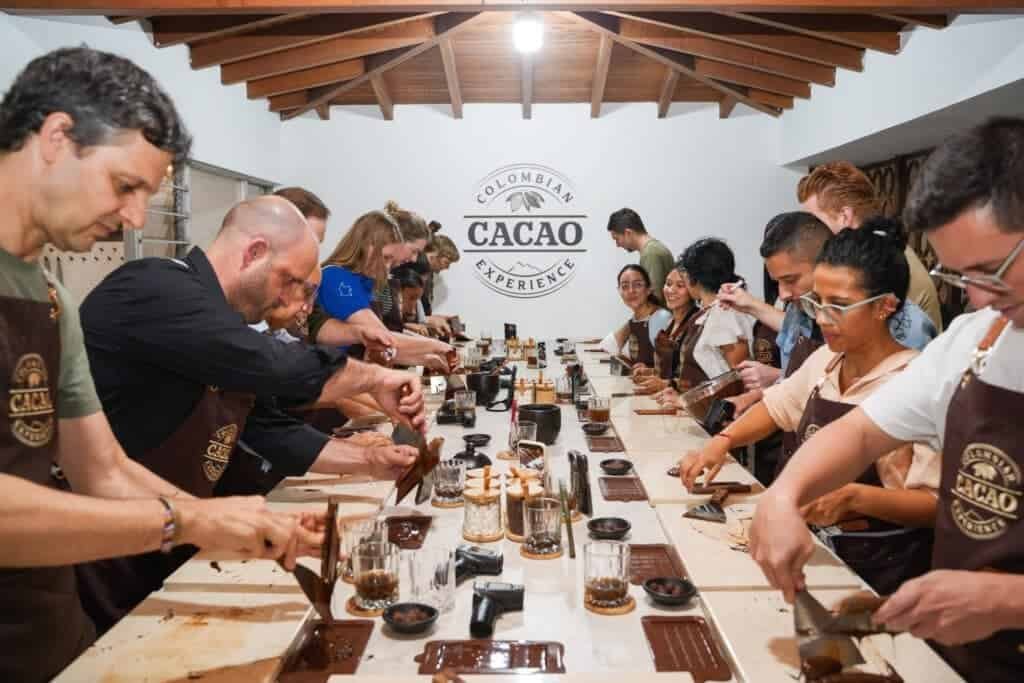
A hands-on bean-to-bar workshop makes a thoughtful alternative to another sightseeing loop. At how our chocolate experience works, the experience is centred on cacao’s history and making chocolate to take home, rather than simply watching a demonstration.
How do you get around Medellín?
The Metro is useful for linking major areas, and the cable cars turn the steep geography into part of the journey. Pair one transport ride with a walk at either end, checking the route and daylight before you set off. Downtown, Laureles, El Poblado, and the northern museum area each reward wandering once you arrive.
Avoid trying to cross the whole valley several times in one day. A simple plan might pair a central museum morning with nearby plazas, or a Laureles food afternoon with a local workshop, instead of treating every district as a separate item to tick off.
How do the hills and the weather affect your plans?
Medellín’s mild climate can still feel warm when you are climbing, and rain can arrive quickly. Give yourself a quieter first day if you have just arrived, wear shoes with grip, and keep a light layer or compact umbrella close by. Hills make short distances look deceptively manageable on a map.
That small adjustment gives you more energy for the city itself. It also makes it easier to stop for juice, coffee, or a bakery snack without feeling that you are falling behind an itinerary.
How do you understand Medellín’s history?
Medellín’s story is best approached through several voices rather than one simplified narrative. Public sculpture, museums, murals, libraries, and neighbourhood projects reveal hardship, creativity, memory, and change side by side. Give each place enough time to look beyond the most photographed angle.
Are Plaza Botero and the Museo de Antioquia worth it?
Begin with the bronze sculptures in Plaza Botero, then step into the Museo de Antioquia for a broader cultural context. The square is lively and central, but the museum gives your visit shape by placing art within Colombia’s social and artistic history. Go earlier if you prefer to examine the works at a calmer pace.
Continue on foot through nearby public spaces, allowing the scale and bustle of the centre to register. You do not need to turn the visit into a lecture; noticing how people use the plazas is part of understanding the city.
How do you visit Comuna 13 respectfully?
Comuna 13 is more than a mural corridor and a set of escalators. Look for the layers of music, dance, small businesses, viewpoints, and community life, and remember that this is a lived-in neighbourhood rather than a backdrop. A responsible visit gives residents room and avoids treating personal history as entertainment.
Go with curiosity instead of a fixed story about the past. If you take photographs, ask before photographing people, especially children, performers, or residents who are not part of the public display.
Where do you find independent galleries and studios?
Independent galleries and cultural centres can offer a quieter counterpoint to the city’s major museums. Check opening days before setting out, because smaller venues may keep irregular hours or change programmes. Laureles, El Poblado, and the centre all have creative spaces worth finding through current local listings.
For a more tactile cultural afternoon, discover chocolate making in Medellín in a workshop that connects Colombian cacao with a finished bar. The activity includes learning about cacao from bean to bar and creating chocolate to take home, so it fits naturally alongside a wider interest in local craft.
How did Medellín’s transformation change its neighbourhoods?
Medellín’s transformation is not a neat before-and-after story. Infrastructure, public spaces, education, local organising, and creative work have all influenced how different neighbourhoods are experienced today, while inequalities and difficult memories remain part of the conversation.
You will understand more by listening to local context and observing everyday use of public places than by reducing the city to a single label. A museum, a neighbourhood walk, and a conversation over lunch can each add a different piece.
What and where do locals eat in Medellín?
Food is one of the easiest ways to slow down in Medellín. Rather than chasing one famous dish, notice how breakfast, bakery stops, market fruit, coffee, and late-evening snacks fit into the day. You can eat well without making every meal a destination.
What should you eat besides bandeja paisa?
Bandeja paisa is worth trying, but it is only one expression of Antioquian cooking. Look for arepas, beans, soups, empanadas, chicharrón, plantain, fresh fruit, and regional sweets, choosing portions that suit your appetite. Asking what is popular that day often leads to a more relaxed meal than ordering from a familiar list.
Traditional food can be filling, so alternate a substantial lunch with lighter breakfasts and fruit-based snacks. This gives you room to notice differences between neighbourhood restaurants instead of treating local cuisine as a single large plate.
Where do you find neighbourhood bakeries and markets?
Neighbourhood bakeries are useful for an early arepa, bread, pastry, or coffee, while markets introduce you to produce you may not recognise. Casual lunch spots often serve a set meal with soup, a main course, a drink, and a small dessert. Watch what locals order, then ask politely when you are unsure.
A market visit is also a good time to practise a few food words and take your time choosing. The best discoveries are often modest: a warm pastry, a sharp fruit, or a lunch counter filled with regulars.
Where do you drink good coffee in Medellín?
Colombia’s coffee deserves attention even when you are not visiting a coffee farm. In Medellín, specialty cafés let you compare origins, brewing methods, and roast styles without leaving the city. Ask the barista what is being served and whether the cup is intended to be bright, floral, chocolatey, or full-bodied.
Coffee and cacao make a natural pairing, but they offer different kinds of travel. One may take you into the countryside; the other can give you a hands-on cultural activity within the city, useful when you want to keep transport simple.
Where should you go out in the evening?
El Poblado is convenient for a concentrated night out, while Laureles and Envigado offer a range of bars and restaurants with a less club-focused feel. Salsa venues reward a little patience: watch the floor, take a beginner step, and do not assume you need to arrive as an expert. For a quieter evening, choose a café, wine bar, or restaurant and let the conversation stretch.
The Rum and Chocolate Experience is scheduled daily at 6:00 PM and 8:30 PM, lasts two hours, and costs 55 USD per person. It gives you an evening option that pairs ten Colombian rums with our own chocolate, rather than requiring a late night out.
What should you know before you order food?
Menus may use familiar words in unfamiliar combinations, and portion sizes vary. It is fine to ask whether a dish is large, spicy, shared, or served with sides before ordering. Keep small cash available for modest purchases, and be patient when a busy kitchen takes time.
When you find a place you enjoy, return at a different time of day. A café can feel like a breakfast counter in the morning and a social meeting place later, which is part of the city’s everyday texture.
Where can you get outdoors in Medellín?
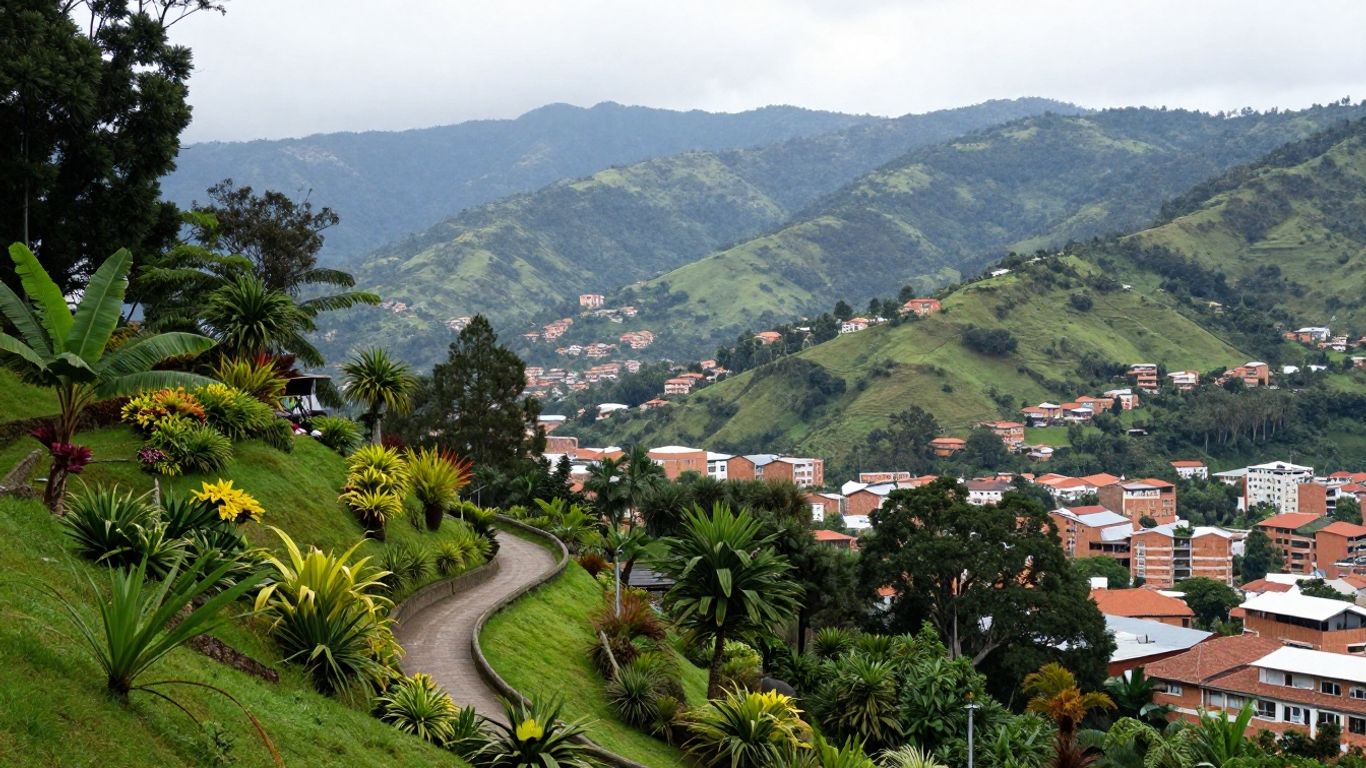
The valley setting means you are rarely far from a view of green hills, but you do not need an ambitious hike to get outdoors. Botanical gardens, urban hills, riverside paths, and public parks make it possible to build nature into an ordinary city day. Choose one outdoor anchor and leave space around it.
Is the Jardín Botánico worth a visit?
Jardín Botánico offers a gentle change of pace, with shaded paths and plant-filled spaces that feel removed from traffic. Nearby Parque Explora and the northern cultural district make a useful pairing if you want science, public space, and greenery in one outing. Check current opening arrangements before travelling.
Walk slowly rather than trying to cover every path. The value is in the contrast between the garden, the surrounding city, and the steady movement of families, students, and visitors nearby.
Which city viewpoints can you hike to?
Cerro El Volador and Cerro Nutibara offer ways to gain elevation without leaving the city. The routes vary in length and steepness, so choose according to heat, recent rain, and how comfortable you are walking alone. Go in daylight, keep valuables discreet, and stay on established paths.
Cerro Nutibara’s Pueblito Paisa is more built-up, while Cerro El Volador feels more like an urban nature outing. Either can complement a museum or food day, provided you do not schedule too many distant stops around it.
How much time do you need for Parque Arví?
Parque Arví is best treated as a half-day or full-day outing rather than a quick photo stop. The cable-car journey is part of the experience, and the cooler forest setting changes the feel of the city. Check transport times, trail conditions, and weather before you leave.
Bring water and allow time for a proper walk instead of trying to combine the park with several faraway attractions. A slower afternoon here can be the reset you need after busy central streets.
Where do locals spend their weekends outdoors?
The Medellín River corridor and local sports areas show the city in an everyday mode. You may see people cycling, exercising, meeting friends, or bringing children outside. These spaces are most enjoyable when you observe without turning ordinary life into a performance for your camera.
Use a riverside walk to connect with another nearby plan, such as lunch or a café. It is a practical way to add outdoor time without making the day depend on a long trail.
How do you plan around rain and heat?
Plan your most exposed walks for the cooler parts of the day and keep a backup activity for heavy rain. Wet paths can become slippery, and a cloudy morning does not guarantee a dry afternoon. Ask locally about current conditions when a route matters to your plans.
A flexible approach is more comfortable than forcing a hike in poor weather. Museums, cafés, markets, and workshops give you useful alternatives without wasting a day.
Which day trips from Medellín are worth taking?
Medellín is a strong base for exploring Antioquia, but day trips have different travel times and rhythms. Choose one destination that matches your energy rather than collecting several names. The journey itself can be part of the experience, especially when the landscape changes from valley to mountain and countryside.
How long do you need in Guatapé?
Guatapé deserves more than a climb up El Peñol and a rushed photograph. Allow time for the town’s colourful façades, lakeside views, small streets, and a meal before returning. Start early if you want to avoid compressing every part of the day.
The rock is the obvious landmark, but the town and surrounding water give the trip its broader character. Check transport and return arrangements in advance, particularly if you are travelling independently.
What is Santa Fe de Antioquia like?
Santa Fe de Antioquia offers colonial streets, warm weather, and access to waterfalls and countryside landscapes. It feels distinct from Medellín, so pack for a hotter day and avoid assuming that the same pace or clothing will work everywhere. A guided option can simplify the route if you want to combine town and nature.
Give yourself time to notice the architecture rather than moving immediately between landmarks. The change in climate and streetscape is the point of the excursion.
Coffee farm tour or chocolate workshop: which should you do?
A coffee-region excursion suits travellers who want farms, rural scenery, and a closer look at cultivation. Ask what the journey includes, how much time is spent travelling, and whether the visit is participatory or observational. If you have limited time, a city-based cacao workshop can offer agricultural context with less time on the road.
A good itinerary does not need to choose coffee over cacao. You can explore coffee in the countryside and cacao in Laureles, giving each product its own setting and story.
Where do you go for rivers and nature?
San Rafael, San Carlos, and other nature-oriented destinations appeal when rivers, swimming spots, and outdoor activity matter more than museums. They usually require more planning than a central Medellín outing, including transport, weather checks, and realistic return times.
Consider staying overnight if a day trip would leave you rushing. The quieter rhythm is part of the reward, and it is better experienced without watching the clock constantly.
When is a guided day trip worth the money?
A guided trip is useful when transport connections are awkward, the route combines several stops, or you want local interpretation. Independent travel can work well for a straightforward town visit with clear return options. Compare the actual time saved, not just the advertised list of inclusions.
Ask about group size, departure point, meals, weather arrangements, and the amount of free time. Those practical details often matter more than adding another landmark to the itinerary.
Which local experiences can you take part in?
The most memorable city days often involve doing something, not simply looking at something. A class, match, concert, market visit, or community-led project lets you meet Medellín through its habits and skills. Choose activities that are transparent about what guests can expect and how photography is handled.
Can you go to a football match or a local concert?
A neighbourhood event or football match can reveal the city’s social energy in a way a viewpoint cannot. Check schedules through current local sources, arrive with enough time, and follow venue guidance. At a match, be especially aware that supporter culture has its own etiquette and boundaries.
Music and public events can also be a gentler introduction if football is not your interest. The goal is participation with awareness, not claiming an experience that belongs to local communities.
Which classes and workshops can you join?
A cooking, dance, pottery, or Spanish class gives you a reason to stay in one place and learn from another person. Look for a clear duration, group size, language, and materials policy before booking. Hands-on activities are particularly useful on rainy afternoons or between larger excursions.
In Laureles, The Colombian Cacao Experience runs a Chocolate Experience daily at 9:00 AM and 2:00 PM for 50 USD per person, lasting 3.5 hours. Guests roast cacao over a fire in a traditional paila, peel and grind it on a stone molino, temper dark 62% chocolate on marble, and craft a bar to take home. It is rated 5.0 on Tripadvisor and is number 1 in Classes and Workshops in Medellin.
What should you buy from local makers?
Choose small design shops, craft markets, and regional food products when you want souvenirs with a sense of place. Ask who made an item and how it should be carried or stored, especially with chocolate, ceramics, textiles, or natural products. Buying fewer, better-considered objects keeps the experience personal rather than hurried.
Cacao products can sit alongside coffee as a Colombian souvenir, and a hands-on workshop lets you take home something you made yourself. That gives the purchase a story without treating local craft as a prop.
How do you choose a responsible operator?
Community-led projects deserve careful attention to consent, payment, and the way stories are presented. Read the operator’s information, ask what your fee supports, and avoid activities that promise access to private lives or sensationalised history. Responsible tourism is often quieter than the most aggressively marketed tour.
You can also support local work through ordinary choices: eat at independent places, use local guides, and return to neighbourhood businesses. These decisions spread your time and spending beyond a single tourist corridor.
What are the rules around photography?
Ask before taking close portraits, do not photograph children without a guardian’s permission, and avoid blocking entrances or workspaces. In residential areas, keep voices low and remember that residents are not performers. If somebody declines a photo or conversation, accept it without pressing.
This approach improves your own visit as well. You notice more when you are not constantly framing the next image, and people are more likely to share a genuine interaction when they feel respected.
How do you plan a safe and smooth itinerary?
A good Medellín itinerary leaves room for weather, distance, and the unexpected. You do not need to treat every hour as a booking, but you should understand how long crossings and hills can take. Keep your accommodation, transport, and evening plans aligned rather than scattering them across the valley.
How much can you fit into one day?
Place outdoor walks and unfamiliar routes in daylight, then keep evening plans near your base or on a straightforward transport line. Group nearby activities together and check closing times before setting out. This reduces unnecessary crossings and leaves energy for spontaneous stops.
For the chocolate workshop in Laureles, the daily 9:00 AM and 2:00 PM start times make it easy to pair the activity with neighbourhood food or a relaxed afternoon. The business is open daily from 9:00 to 23:00, and groups range from one guest to a maximum of 20.
Are taxis and rideshare services safe in Medellín?
Use recognised taxi or rideshare services, confirm the vehicle and destination before getting in, and avoid displaying your phone on the kerb. Share trip details with someone you trust when travelling late, and ask your accommodation to help if you are uncertain about a pickup.
Public transport is useful, but keep your belongings close in crowded areas and avoid travelling with more valuables than you need. Small practical habits are more helpful than anxiety about every journey.
How do you avoid tourist traps?
Be cautious of offers that are vague about price, duration, meeting point, or what is included. Do not assume a highly photographed stop is the best fit for your interests, and be wary of anyone pressuring you into an immediate booking. Current details matter, particularly for events, trails, and day trips.
A clear itinerary should tell you what you are paying for and how long it takes. If those basics are missing, ask questions before committing rather than trying to solve the problem after arrival.
How should you carry money and your phone?
Carry only what you need for the outing, keep your phone away when you are not using it, and avoid displaying cash in public. Use a secure bag and take extra care in busy transport areas, queues, and nightlife districts. Back up essential travel information so you are not dependent on one device.
These habits should not stop you from enjoying the city. They simply let you focus on food, art, conversation, and the route ahead without making your belongings the centre of attention.
How much should you plan in advance?
Reserve a little unscheduled time each day for rain, delayed transport, a recommended café, or a conversation that runs long. Keep one indoor alternative near your planned area, and reconfirm bookings or opening hours when the activity is time-sensitive.
A flexible plan also makes room for booking your place at a hands-on chocolate experience if you decide that cacao belongs in your Medellín itinerary. The chocolate workshop runs daily, with a minimum of one guest, so solo travellers do not need to wait for a group.
Conclusion
Medellín is easier to appreciate when you move beyond a checklist and let neighbourhoods, public spaces, food, green hills, and local makers guide your days. Choose a base that suits you, travel thoughtfully, and leave enough time for an experience you can take part in, whether that means learning, cooking, dancing, or making chocolate in Laureles.
Frequently Asked Questions
How many days do you need in Medellín?
Three to five days gives you time for neighbourhoods, museums, food, green spaces, and one day trip without rushing. Add extra days if you want both Guatapé and a more distant nature excursion.
What are the best things to do in Medellín for first-time visitors?
Start with a neighbourhood walk, public art and museums, a green space, a food-focused outing, and one activity that involves local participation. Add Comuna 13 with a respectful approach and enough time to look beyond its most photographed stops.
Is Medellín easy to explore without a car?
Yes, many visitors combine the Metro, cable cars, taxis, rideshare services, and walking. Plan around the valley’s hills, group nearby activities, and check the final route home before evening plans.
What should you eat in Medellín?
Try bandeja paisa alongside arepas, beans, soups, empanadas, chicharrón, plantain, fresh fruit, bakery items, and regional sweets. Local cafés and markets are useful for discovering flavours beyond a single traditional dish.
Is Comuna 13 worth visiting?
It can be, especially if you approach it as a living neighbourhood with art, music, businesses, and complex history. Visit respectfully, ask before photographing people, and avoid reducing the area to a dramatic tourist story.
What are the best day trips from Medellín?
Guatapé is a popular choice for colourful streets, the rock, and lake scenery. Santa Fe de Antioquia suits colonial architecture and warmer weather, while San Rafael and San Carlos appeal to travellers seeking rivers and nature.
What is the best way to stay safe in Medellín?
Keep valuables discreet, use recognised transport, travel unfamiliar routes in daylight, verify prices and bookings, and stay aware in crowded areas. Leave room to change plans when weather, closures, or local advice make that sensible.